
1. AI-Driven Breakthroughs in De Novo Petide Design
Title: AI-Driven Breakthroughs in De Novo Petide Design and Folding
Summary: Recent advancements in generative AI and machine learning algorithms are revolutionizing petide drug discovery. By predicting complex structural folding and target binding with atomic precision, computational platforms have compressed development timelines from years to months. These tools allow researchers to engineer high-affinity cyclic petides targeting previously “undruggable” intracellular protein-protein interactions.
Key Topics: Artificial Intelligence, Generative AI, Macrocyclic Petides, Drug Discovery.


2.Breakthrough in Oral Petide Delivery
Breakthrough Technology Enables Pill-Based Petide MedicationsBOSTON — Scientists have achieved a major milestone in biopharmaceuticals by developing a novel oral delivery system for therapeutic petides.
Historically, petide-based drugs, such as insulin and GLP-1 receptor agonists, had to be administered via injections because stomach enzymes rapidly degrade delicate amino acid chains before they can reach the bloodstream.
The newly developed microscopic capsule protects the petides from harsh acidic environments and releases them directly into the small intestine. Clinical trials revealed that the oral formulation achieved a bio-absorption rate comparable to standard subcutaneous injections. Industry analysts predict this breakthrough could transform the management of chronic conditions like diabetes and auto-immune diseases by significantly improving patient compliance.
3.Next-Generation Petide
TherapeuticsNext-Gen Dual-Action Petides Show Promise in Metabolic ResearchSWITZERLAND — Researchers in Europe have unveiled promising results from Phase II clinical trials testing a new class of synthetic dual-acting petides. Unlike single-target therapies, these bio-engineered molecules simultaneously activate two distinct cellular receptors involved in metabolic regulation and appetite control.
Preliminary data demonstrates that patients receiving the dual-acting peptide experienced a significant reduction in body fat mass while preserving lean muscle tissue. Beyond weight management, the compound also demonstrated remarkable anti-inflammatory properties in liver cells. Researchers believe that synthetic multi-target peptides represent the future of targeted therapy for complex metabolic disorders.
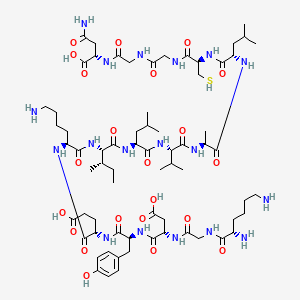

4.Petides in Skincare & BiotechnologyBiotech Firms Harness Antimicrobial Peptides for Sustainable SkincareSINGAPORE — The global cosmeceutical industry is undergoing a shift toward bioactive ingredients, with synthetic and plant-derived antimicrobial peptides (AMPs) leading the trend.
A Singapore-based biotechnology firm recently introduced a bio-fermented petide complex designed to strengthen the skin barrier and balance the skin microbiome naturally.
Unlike traditional harsh chemical treatments, these bio-engineered peptides selectively target harmful bacteria while preserving beneficial microorganisms on the skin surface. Clinical studies showed a 40% improvement in skin resilience and collagen stimulation over twelve weeks. The innovation highlights the growing commercial application of custom petide synthesis outside of traditional pharmaceuticals.